Best practices
Respiratory protective equipment: when fit testing is required, and what it is not
HSE’s rules on tight-fitting RPE: initial and repeat fit testing, competent testers, qualitative methods, and why a pre-use wearer-seal check is not a substitute for a fit test.

Respiratory protective equipment cannot protect the wearer if it leaks. The Health and Safety Executive (HSE) is clear that a major cause of leaks is poor fit: tight-fitting facepieces need to fit the wearer’s face to be effective. Because people come in all sorts of shapes and sizes, it is unlikely that one particular type or size of RPE facepiece will fit everyone.1
The best time to do fit testing is at the initial selection stage, when individual users can be given a choice of adequate models. You should ensure that the make, model, type and size of facepiece the employee wore when they had their successful fit test is made available for their use. If an employee wears more than one type of tight-fitting facepiece, then each type of facepiece should be fit tested.1 HSE also states that you should conduct fit tests for each wearer, for each piece of tight-fitting RPE they use, and that the chosen RPE must fit, be suitable for the task and the wearer, work with other protective equipment, and be used by people who are trained and supervised.3
Criteria that should lead the work
- Is every tight-fitting facepiece that a person actually wears fit tested — including each type, not only the first mask issued?
- Is the make, model, type and size from the successful test the one that is available for daily use?
- Is the test conducted by a competent person, with appropriate training, qualification, experience and information?
- Do you treat a pre-use wearer-seal check as a daily check, not as a substitute for fit testing?
- Do you repeat the test when the RPE type, size, model or material changes, or when the wearer’s circumstances change in a way that could alter the fit?
- Are wearers clean-shaven in the region of the face seal whenever they wear a tight-fitting facepiece at work?
What a fit test is, and what it is not
INDG479 states that a pre-use wearer-seal check is not a substitute for fit testing. Tight-fitting facepieces (often referred to as masks) rely on having a good seal with the wearer’s face. The manufacturer will provide instructions on how to carry out the seal check; it remains a check before entering the hazardous environment, not the selection test itself.2
Loose-fitting hoods or helmets on powered or constant-flow airline breathing apparatus do not require fit testing. Tight-fitting powered or constant-flow airline BA under positive pressure still requires fit testing, because studies have shown that during heavy exertion, inward leakage is possible.2
A fit test should be repeated whenever there is a change to the RPE type, size, model or material, or whenever there is a change to the circumstances of the wearer that could alter the fit — for example weight loss or gain, substantial dental work, facial changes around the face seal area, facial piercings, or the introduction or change of other head-worn personal protective equipment. INDG479 also notes that it is good practice to have a system to review when a repeat fit test may be required, because face shape will change through ageing alone.2
There are two basic types of RPE fit testing: qualitative and quantitative. Qualitative fit testing (QLFT) is a pass/fail test based on the wearer’s subjective assessment of leakage through the face seal region by detecting a bitter- or sweet-tasting aerosol. QLFT methods are suitable for disposable and reusable half masks; they are not suitable for full-face masks. Even though the detection is subjective, the test must still be administered properly by a fit tester.2
| Criterion | Wearer-seal check only | One type and size issued to everyone | Initial and repeat fit testing |
|---|---|---|---|
| Does it show that this facepiece fits this person? | No: INDG479 says the check is not a substitute for fit testing | Unlikely: one type or size will not fit everyone | Yes, if the tested make, model, type and size is then made available |
| Loose-fitting hoods or helmets | Not the right tool | Not the right tool | Not required for those loose-fitting airline hoods or helmets; still required for tight-fitting positive-pressure BA |
| Changes in the wearer or the RPE | Easy to miss | A new person may inherit an untested size | The test is repeated when the RPE or the wearer’s circumstances change |
| Main failure mode | A daily habit mistaken for a selection test | A convenient stock item that leaks on some faces | A passed test for a mask that is then not the one issued, or a tester who is not competent |
Competence, hair and the face seal
RPE fit testing should be conducted by a competent person. HSE’s basics page states that you should take steps to ensure the person who carries out the fit test is appropriately trained, qualified and experienced, and provided with appropriate information for the task. INDG479 adds that competence can be demonstrated by accreditation under the Fit2Fit RPE Fit Test Providers Accreditation Scheme, developed by the British Safety Industry Federation (BSIF) with industry stakeholders and supported by HSE. The scheme is not compulsory, and employers are free to take other action to demonstrate competence.12

INDG479 is explicit about hair at the seal: do not conduct fit tests if there is any hair growth between the wearer’s skin and the facepiece sealing surface, such as stubble, beard, moustache, sideburns or a low hairline which crosses the respirator sealing surface. Wearers should be clean-shaven in the region of the face seal whenever they wear a tight-fitting facepiece at work. Any non-PPE apparel or adornment, for example a piercing, should not interfere with the fit.2 A choice of unbranded facepieces on a table is only a starting point: the point of selection is a successful test of the specific make, model, type and size that will actually be worn.
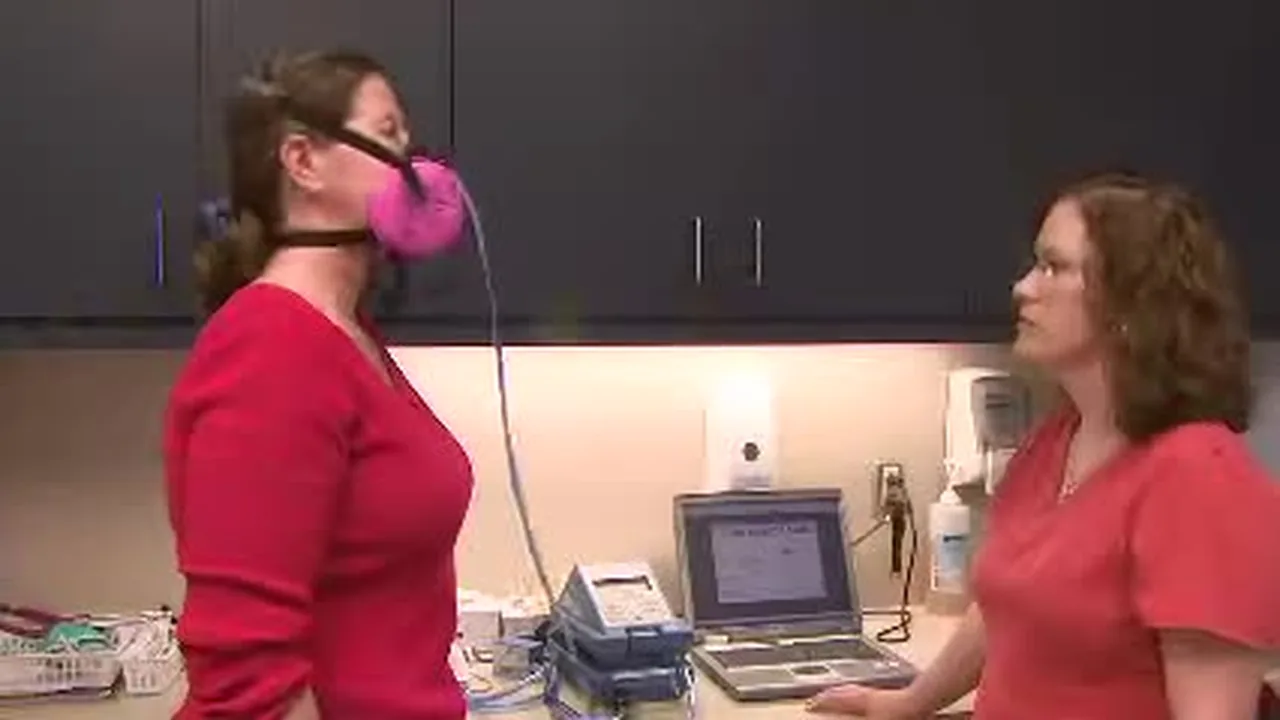
The official film “Respirator Fit Testing”, from the US Department of Labor, explains respirator fit-testing practice in a US context. It is not UK legal guidance and it is not a demonstration of a named facepiece or test kit. The duties cited in this article are HSE’s, including INDG479.
For practice on how hazardous substances are identified and managed, see Chemical Inventory & SDS Lifecycle Management. Assessment practice is also covered in Risk Assessment & Job Hazard Analysis. These are independent awareness and exam-preparation courses. They are not official IRCA, ISO, NEBOSH or IOSH awards, and they are not a substitute for a licensed standard or for legal compliance.
A practical way to decide
Start at selection, not after a box of one size has already been issued. Fit test each tight-fitting type the person will wear, keep that exact make, model, type and size available, and use a competent tester. Add a pre-use seal check every time the facepiece is worn — and do not treat that check as the fit test. Repeat the test when the RPE or the wearer changes, and do not run a tight-fitting facepiece over a seal broken by stubble or other hair growth.123
Do not issue one comfortable stock size to everyone, and do not confuse a passed qualitative taste test on a half mask with a method that INDG479 says is not suitable for full-face masks.
Frequently asked questions
Is a pre-use wearer-seal check a substitute for fit testing?
No. INDG479 states that a pre-use wearer-seal check is not a substitute for fit testing. Tight-fitting facepieces rely on a good seal with the wearer’s face, and a seal check is done each time before entering the hazardous environment in addition to fit testing, not instead of it.
Do loose-fitting hoods or helmets need a fit test?
INDG479 states that powered or constant-flow airline breathing apparatus with loose-fitting hoods or helmets do not require fit testing. Tight-fitting powered or constant-flow airline BA under positive pressure still requires fit testing, because studies have shown that inward leakage is possible during heavy exertion.
Is Fit2Fit accreditation compulsory?
No. INDG479 states that fit testing should be conducted by a competent person, and that competence can be demonstrated by accreditation under the Fit2Fit RPE Fit Test Providers Accreditation Scheme. The scheme is supported by HSE, but it is not compulsory and employers are free to take other action to demonstrate competence.
Sources
Every factual statement marked with a number links to the source below. Sources were retrieved on 22 November 2026; check the publisher for later revisions.