Best practices
Incident investigation: from the scene to actions that prevent recurrence
How to investigate incidents and near misses to improve controls, not to assign blame: preserve evidence, interview with care, find causes you can fix, and follow HSE’s HSG245 steps through to a verified action plan.

An incident investigation is how an organisation finds out what happened, why it was possible, and what will prevent it from happening again. It is not a hunt for someone to blame. HSE’s workbook on investigating accidents and incidents, HSG245, is written for employers, employee representatives and safety professionals, and it treats investigation as a way to improve risk control.1
OSHA makes the same distinction in its incident-investigation guidance: a good investigation looks for root causes, including failures in safety management systems, rather than stopping at the last person who touched the job.2 This article covers the process from the scene to the action plan. For a closer look at 5 Whys, fishbone diagrams and the traps of a single “human error” cause, see our related Insight on root cause analysis and the 5 Whys.
Decide what you will investigate, and why
Investigate injuries and dangerous occurrences, but also near misses and serious process upsets. A near miss is often the only warning you get before the same conditions cause harm. You do not need the same depth of investigation for every event, but you do need a rule for when a deeper investigation is triggered, and someone competent to lead it.
Legal reporting duties, such as those under RIDDOR in Great Britain, are separate from the investigation itself. Report what the law requires, in the time the law requires, and still investigate so that your own controls improve. This article does not replace legal advice on notification.
Preserve the scene and gather the evidence
HSG245 organises investigation around gathering information, analysing it, identifying risk-control measures, and then planning and implementing action.1 The first of those steps is easy to rush. After anyone who is hurt has been cared for and the area is safe, preserve what you can: the position of equipment, the state of isolations, tools, substances, weather and lighting, and the documents that were in use — permits, assessments, procedures, training records and maintenance logs.
Photographs, sketches and a simple timeline of what was supposed to happen versus what did happen will carry more weight later than memory alone. Collect physical evidence before the job is tidied up “to get back to work”, and record who changed what, and when, after the event.

Interview people with care
Speak to the people who were there, and to others who know the usual way of working, as soon as you reasonably can. The aim is to understand the job as it was actually done, not to take a statement that defends a procedure. Ask open questions, take notes, and be clear that the purpose is learning. If a person may be subject to a disciplinary or legal process, follow your organisation’s rules and do not improvise.
Look for mismatches: the written method and the method in use, the planned staffing and the actual staffing, the isolation on paper and the energy that was still present. Those mismatches are often where the useful causes sit.
Analyse causes that can actually be fixed
Analysis should go beyond the immediate action or omission. OSHA’s guidance emphasises root causes in the safety and health program — such as gaps in hazard identification, training, supervision, or the design of the work — because those are the conditions that will produce the next incident if they are left alone.2 The ILO’s occupational safety and health management system guidelines likewise treat incident investigation as part of checking performance and acting to improve the system, not as a one-off report.3
A useful finding names a condition you can change: a missing isolation standard, a permit that does not cover simultaneous work, a design that requires a person to be in the line of fire, or a training gap for a non-routine task. “Be more careful” is not a cause, and it is not a control.
Turn findings into actions, then check that they last
HSG245’s later steps are about identifying better risk-control measures and putting an action plan into effect.1 Each action should have an owner, a date, and a way to verify that the change is in use, not just written down. Share the lessons with the people who do similar work, including contractors. Then update the risk assessment, procedure or permit template so the next crew does not have to rediscover the same gap.
If you want a structured path through reporting, evidence, analysis and corrective action, our free course on incident investigation and root cause is designed for that working practice. Free course: Incident Investigation & Root Cause. Pair it with the Insight on root cause analysis and the 5 Whys.
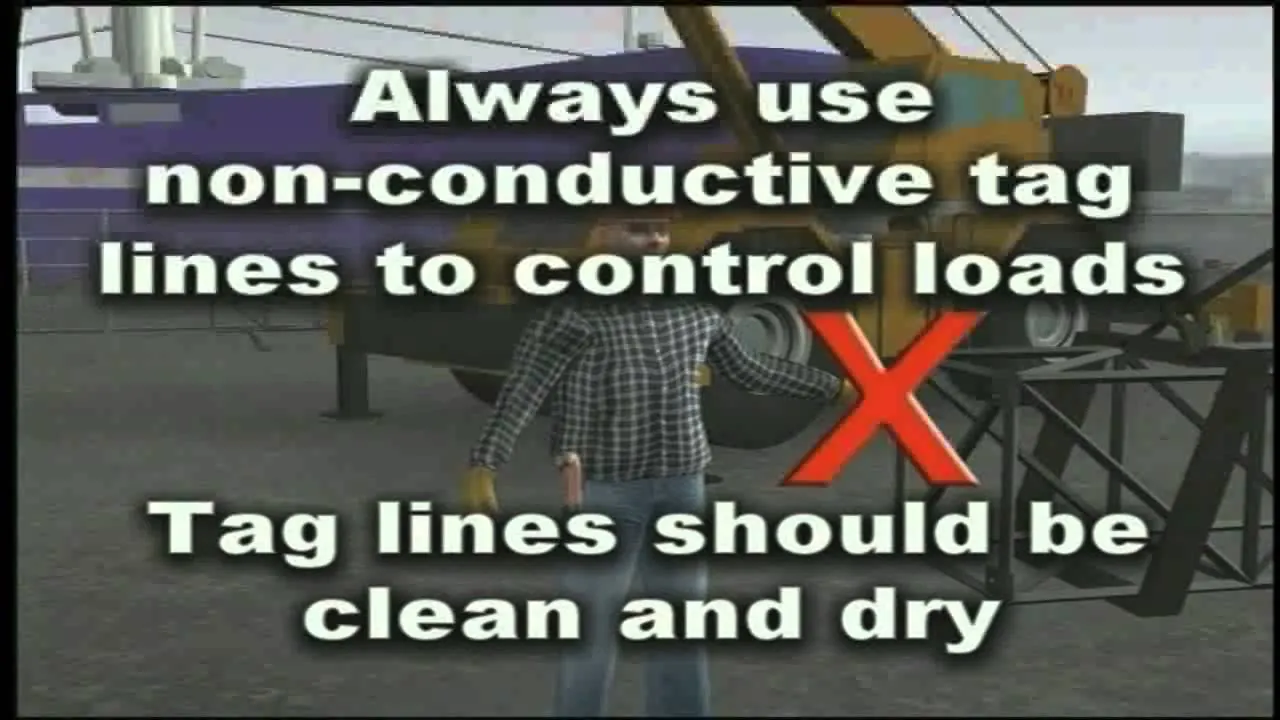
The US Chemical Safety Board and OSHA both publish case investigations so that other workplaces can learn without waiting to have the same event. A short official film, such as OSHA’s examination of fatal shipyard accidents, is useful in a training session because it shows how several small failures can line up — but it is a starting point for discussion, not a substitute for investigating your own events.2
Frequently asked questions
Should near misses be investigated?
Yes, at a depth that matches the potential harm. A near miss is often the warning you get before the same conditions cause injury.
Is an investigation the same as a legal report?
No. Duties to notify a regulator, such as RIDDOR in Great Britain, are separate. You may need to do both.
What if the investigation might lead to discipline?
Follow your organisation’s rules. The aim of the safety investigation is still to improve controls. Do not improvise if a person may be subject to a formal process.
When is “human error” a useful finding?
Rarely, if it is the only finding. Look for the conditions, procedures, design or training that made the error possible.
How does this relate to the 5 Whys?
The 5 Whys is one analysis tool. The investigation process is wider: evidence, interviews, analysis, actions and follow-up. See our related Insight on root cause analysis.
Sources
Every factual statement marked with a number links to the source below. Sources were retrieved on 21 November 2026; check the publisher for later revisions.