Best practices
Confined space entry: the controls that keep people alive
When a space is confined, why “a quick look” is still an entry, and the controls that have to be in place first: avoidance, isolation, atmosphere testing, an attendant, and a rescue plan that does not create a second casualty.

Confined space entry is one of the few workplace activities in which a single missed control can kill several people in minutes, including would-be rescuers. HSE’s confined spaces guidance explains that a confined space is a place which is substantially enclosed (though not always entirely), and where serious injury can occur from hazardous substances or conditions within the space or nearby, such as a lack of oxygen.1 Tanks, silos, sewers, pits, chambers, unventilated rooms and some excavations can all fall within that description, even if people have entered them before without incident.
This article covers the controls that sit around an entry: whether you need to enter at all, isolation and atmosphere, the roles of the entrant and the attendant, and rescue that does not create a second event. It is general information, not a site procedure. Follow the law and the permit rules that apply where you work.
First question: do you need to enter?
HSE’s advice starts with avoidance. If the work can be done from outside — with tools, cameras, cleaning systems or by redesigning the task — that is the better control.1 Many fatal entries happen during maintenance, inspection or cleaning that nobody asked whether the person had to go in.
If entry is necessary, treat it as planned, permitted work, not as a quick look. A “five-minute job” in a space with a hazardous atmosphere is still an entry.
Know why the space is dangerous
Typical hazards include a lack of oxygen, toxic or flammable atmospheres, materials that can engulf a person, heat, inward-sloping surfaces, and energy from agitators, pipes or electrical equipment that has not been isolated. Conditions can change while people are inside, especially if residues are disturbed or if ventilation fails.
In the United States, OSHA’s confined spaces standard for general industry, 29 CFR 1910.146, distinguishes confined spaces from permit-required confined spaces and sets out a programme for those permit spaces, including atmospheric testing, attendant duties and rescue arrangements.2 That classification is a US legal structure. If you work under other law, use your own regulator’s definition and permit rules, and treat OSHA’s text as a detailed example of the same controls, not as your local statute.
The controls that have to be in place before anyone goes in
A competent confined-space entry typically includes:
- A written assessment and a permit that defines the space, the work, the time limit and the people involved.
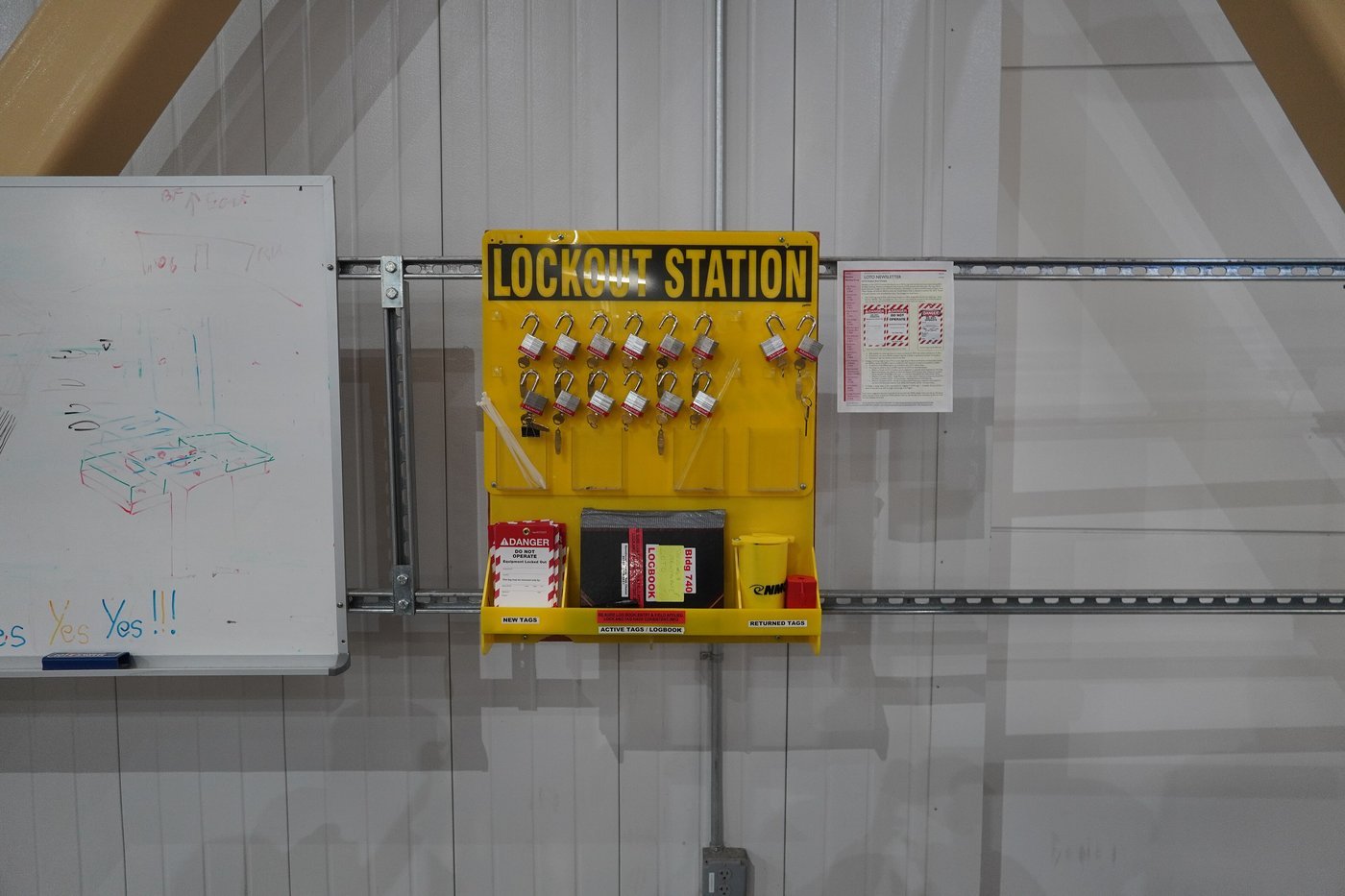
- Isolation of incoming flows, moving parts and hazardous energy, using the same discipline described in lockout/tagout practice.
- Cleaning, purging or ventilating as required, then testing the atmosphere with equipment that can detect the gases that matter for that space, in the right order, by someone who knows how to use it.
- Continuous or repeated testing and ventilation while work is underway, because atmospheres change.
- An attendant who stays outside, remains in communication, and does not enter to attempt a rescue.
- A rescue plan that can be put into effect immediately, with people and equipment that are actually available, not only named on a form.
HSE’s short guide INDG258 is a practical companion to the main confined spaces guidance and is written for people who need the essentials in a form they can use at work.3

Roles, communication and rescue
The entrant should know the hazards, the limits of the permit, and the signal to leave. The attendant should know who is inside, keep the access clear, watch for changes, and start the rescue plan without becoming the next casualty. Unplanned rescue — a colleague going in after someone who has collapsed — is a recurring pattern in confined-space deaths.
Rescue arrangements must match the space. A harness and retrieval line may work in a vertical shaft if they have been thought through; they will not help in a horizontal complex of chambers, or if the casualty is not wearing the equipment. Some rescues need breathing apparatus and a trained team. If those people cannot reach the space in time, the entry should not go ahead.
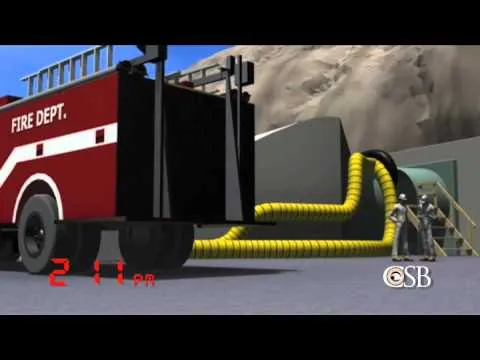
The US Chemical Safety Board’s film No Escape: Dangers of Confined Spaces is a formal investigation summary of how those failures look in real events. It is difficult to watch, and it is published so that other workplaces can learn without repeating the same entry.2
For awareness training on when a space is confined, what the main controls are, and why unplanned rescue is dangerous, see our free course Confined Space Awareness. Entry itself often also needs a permit to work and sound lockout/tagout isolation.
What to check before you treat the job as routine
Ask a sceptical set of questions. Has anyone confirmed that this space still matches the last assessment? Has the atmosphere been tested today, for this opening, by someone competent? Are the isolations locked and verified? Is the attendant in place, and can they communicate? If a person collapsed now, who would do what, with what equipment, in the next few minutes? If any of those answers are vague, the space is not ready for entry.
Frequently asked questions
What is a confined space, according to HSE?
HSE describes a confined space as a place which is substantially enclosed (though not always entirely), and where serious injury can occur from hazardous substances or conditions within the space or nearby, such as a lack of oxygen.
Is a short entry still an entry?
Yes. Time does not change the atmosphere or the need for isolation, testing, an attendant and a rescue plan.
Should the attendant enter to rescue someone who has collapsed?
No. Unplanned rescue is a recurring cause of further deaths. The attendant should start the planned rescue and must not become the next casualty.
Does OSHA’s permit-required classification apply everywhere?
No. 29 CFR 1910.146 is a US general-industry rule. Use the definition and permit rules of the law that applies where you work.
What should I do first if the work might be done from outside?
Avoid entry. HSE’s advice starts with whether the person needs to go in at all.
Sources
Every factual statement marked with a number links to the source below. Sources were retrieved on 21 November 2026; check the publisher for later revisions.
- Confined spaces (HSE) hse.gov.uk
- Confined spaces (OSHA) osha.gov
- Safe work in confined spaces, INDG258 (HSE) hse.gov.uk