Best practices
Permit to work: how the paper process is supposed to protect people
What a permit-to-work system is for, the steps from job definition to close-out, the roles that must not be blurred, and why a signed form is not a control unless the isolations and briefings actually happen.

A permit to work is a formal, recorded process used to control work that has been identified as potentially hazardous. HSE describes permit-to-work systems in its technical guidance on major-hazard sites as a way to make sure that critical work is planned, authorised, carried out and finished under agreed controls.1 The piece of paper, or the screen in an electronic system, is not the control. The control is the sequence of checks, isolations, briefings and sign-offs that the permit is supposed to enforce.
This article is about that sequence, as it is meant to work on paper or in any later digital tool. For what changes when organisations move the same process into software, see our Insight on digital permit-to-work systems. Always follow the rules that apply on your site and in your jurisdiction.
When a permit is the right control
Permits are typically required for work that can introduce a serious hazard if it is done in the wrong place, at the wrong time, or without isolations: hot work such as welding, cutting or grinding; entry into confined spaces; work on live or isolated energy systems; breaking into process lines; work at height in certain conditions; and excavation near buried services. The exact list belongs in your site procedure. If a job is on that list, “we will be careful” is not an alternative to a permit.
Hot work is a clear example. Welding, cutting and related processes can ignite materials far from the visible flame. OSHA’s welding, cutting and brazing rules address fire prevention, including the need to move combustibles or to protect them, and to use a fire watch where the work requires it.2 A hot-work permit is how many sites make those checks visible before the first spark.
The process, step by step
A robust permit process usually has the same backbone, even if the form looks different:
- Define the job, the location, the time window and who will do the work.
- Identify hazards and the controls, including isolations, gas tests, access, PPE and a rescue or fire-watch arrangement where needed.
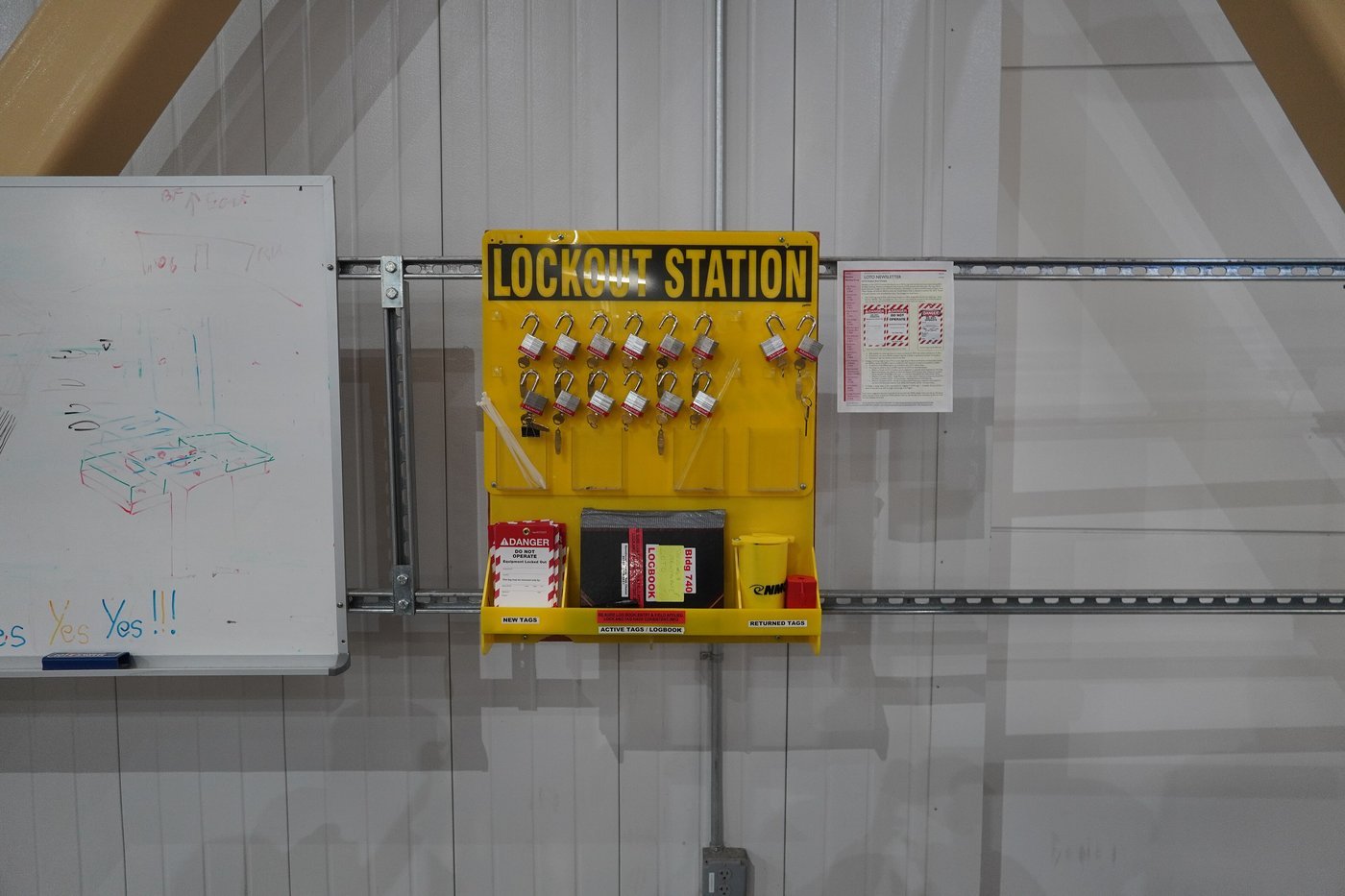
- Prepare the plant: isolate, lock, drain, ventilate, test, and record the results.
- Authorise the permit. The issuer should be competent and should not authorise a job they have not understood.
- Brief the people who will do the work, and anyone who could be affected. Accept the permit only if the controls are actually in place.
- Work within the limits of the permit. If the job or the conditions change, stop and re-authorise.
- Close the permit: leave the area safe, remove temporary controls that should not stay, hand the plant back, and cancel the document so it cannot be reused.
Shift handover belongs inside that sequence. A permit that runs past a shift change without a documented handover is a common way for isolations and residual hazards to be lost.

Roles that must not be blurred
Typical roles are the person who requests the work, the person who prepares and isolates the plant, the issuer who authorises the permit, the receiver or performing authority who accepts it, and any independent tester, fire watch or standby person the job requires. One person should not occupy roles that are meant to check each other, unless your procedure explicitly allows it for a defined low-risk case.
HSE’s guidance on permit-to-work systems stresses that the system must be clearly defined, that responsibilities must be understood, and that the system should be audited rather than assumed to work because forms are being filled in.1
Where paper systems go wrong
Permits fail when they are signed in an office by people who have not seen the job, when several permits overlap in the same area without a check for conflict, when isolation certificates are assumed rather than verified, or when the document is left open after the work is finished. They also fail when the form is so long that people tick boxes they have not read, or so vague that two crews can interpret the limits differently.
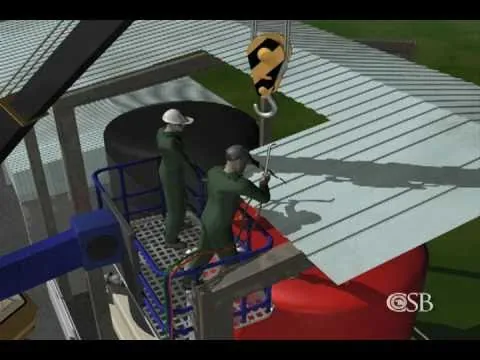
The US Chemical Safety Board’s film on the dangers of hot work is a reminder of what those failures can mean in practice: hot work near flammable atmospheres or poorly prepared equipment is a recurring pattern in formal investigations.3 Watch it as a discussion prompt, then go back to your own isolation, testing and fire-watch rules.
To practise the permit process as training, not as a substitute for your site procedure, see our free courses Permit to Work and Work Permit Receiver Preparation, and the related course on hot work and welding safety. The academy also maintains a short risk page at permit to work.
If you later move to an electronic permit system, take the paper process you trust with you. Software can make conflicts and audit trails easier to see, but it cannot repair a process that was already unclear on paper.
Frequently asked questions
Is the permit itself the safety control?
No. The permit records and authorises a sequence of checks, isolations, briefings and sign-offs. Those actions are the controls.
Does every job need a permit?
No. Permits are for work identified as potentially hazardous, as defined in your site procedure. Routine low-risk work is usually controlled in other ways.
What happens if the job changes after the permit is issued?
Stop the work and re-authorise. A permit only covers the job and the conditions it describes.
Can one person issue and receive the same permit?
Roles that are meant to check each other should not be combined unless your procedure explicitly allows it for a defined case.
How does this relate to electronic permit systems?
The same process still has to work. Software can make conflicts and audit trails easier to see, but it cannot repair an unclear process. See our Insight on digital permit-to-work systems.
Sources
Every factual statement marked with a number links to the source below. Sources were retrieved on 21 November 2026; check the publisher for later revisions.